
AI Bible Study: How Technology is Changing How We Study Scripture
Explore how artificial intelligence is transforming Bible study — from instant verse lookups to conversational theology. Learn how AI tools can deepen your understanding without replacing the Spirit.
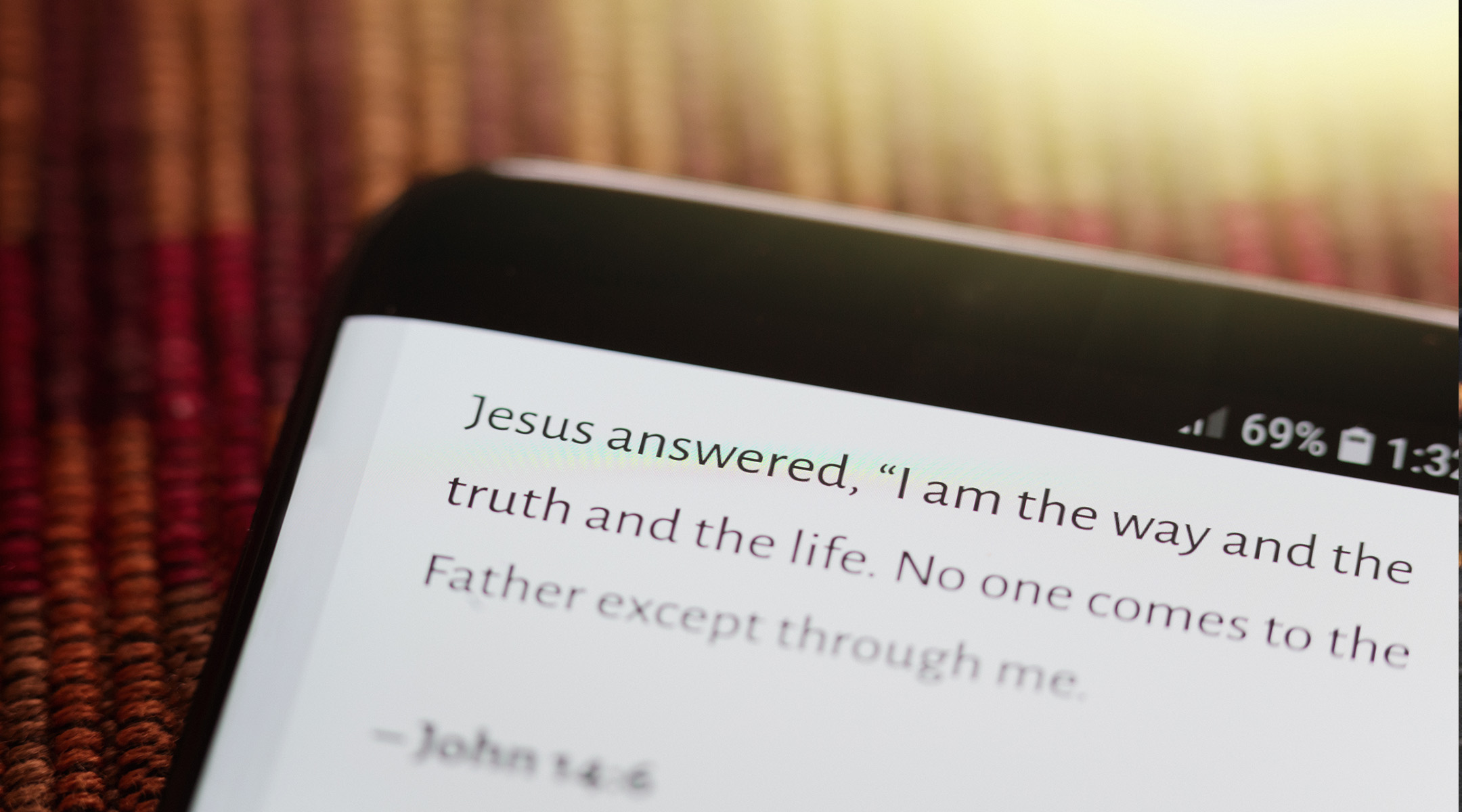
AI Bible Study: How Technology is Changing How We Study Scripture
For centuries, the tools of Bible study were essentially the same: a physical Bible, a concordance, maybe a commentary or two, and a lot of patience. If you wanted to know every place the word "covenant" appears in Scripture, you were flipping pages for an hour. If you wanted to understand the historical context of Paul's letter to the Philippians, you needed access to a theological library.
That world has changed dramatically in the last few years. AI-powered Bible study tools can now answer theological questions in seconds, cross-reference passages across the entire Bible instantly, and even engage in conversational study that adapts to your level of understanding and your language.
But is that a good thing? And how should a thoughtful believer approach AI as a study tool?
What AI Can Actually Do for Bible Study
Modern AI Bible tools aren't just search engines with a religious skin. They're trained on vast amounts of text — including theological scholarship, biblical commentary, and the full text of Scripture — and they can synthesize that knowledge in response to natural language questions.
Here's what that looks like in practice:
Instant verse lookup with context. Instead of typing a reference and getting the bare text, you can ask "What does John 3:16 say and why is it significant?" and get the verse plus its theological context in one response.
Cross-referencing at scale. Ask "Where else does the Bible talk about forgiveness?" and the AI can pull relevant verses from across both testaments, organized by theme — something that would take hours with a concordance.
Language-matched responses. For the 85% of Christians who don't speak English as their first language, AI tools that auto-detect your language and respond in Spanish, Portuguese, Arabic, Korean, or Chinese remove a massive barrier to deep Bible study.
Conversational depth. You can ask follow-up questions naturally: "What did Paul mean by 'thorn in the flesh'?" → "Was that a physical ailment?" → "How does that connect to his theology of weakness?" The AI maintains context and builds on previous answers like a study partner would.
Beginner accessibility. AI doesn't judge your questions. You can ask "Who is Moses?" or "What's the difference between the Old and New Testaments?" without worrying about looking uninformed. This matters more than most people realize — fear of asking "dumb questions" keeps a lot of new believers from studying Scripture deeply.
What AI Cannot Do
It's equally important to be clear about the limits.
AI doesn't have spiritual discernment. It can tell you what a passage says and what scholars have written about it. It cannot tell you what the Holy Spirit is speaking to your heart. Personal revelation, conviction, and the intimate work of God in a believer's life are beyond the reach of any algorithm.
AI can make mistakes. Language models occasionally generate incorrect information with complete confidence. They might cite a verse that doesn't exist or attribute a quote to the wrong biblical author. Good AI Bible tools mitigate this by grounding responses in actual verse databases, but no system is perfect. Always verify references that seem unfamiliar.
AI doesn't replace community. Studying the Bible with other people — in small groups, in church, with a mentor — provides accountability, diverse perspectives, and the relational warmth that no app can replicate. AI is a supplement to community, not a substitute.
AI can't read your life. A pastor who knows you can apply a passage to your specific situation in ways an AI simply can't. The AI can give you the general meaning and application of a verse, but only someone who knows your story can help you see how it speaks into your particular struggle or joy.
How to Use AI Bible Study Well
The best approach treats AI as one tool in a larger toolkit — not the whole workshop.
Use it for the questions you're afraid to ask. Everyone has basic questions about the Bible they've been too embarrassed to voice. AI gives you a judgment-free space to ask anything, anytime.
Use it for context. When you hit a confusing passage in your reading plan, don't just skip it. Ask the AI: "What's the context for this passage? Why was it written? What did the original audience understand that I might be missing?"
Use it alongside, not instead of, your reading. AI works best when it enhances your time in Scripture, not when it replaces it. Read the passage yourself first. Form your own thoughts. Then use the AI to deepen your understanding.
Use it to explore multiple perspectives. A good theological question often has more than one faithful interpretation. AI can present the range of scholarly and denominational views on a passage, helping you think critically rather than accepting the first answer you encounter.
Verify the references. When the AI cites a verse, look it up. This habit keeps you in the actual text of Scripture and catches the rare occasions when AI gets a reference wrong.
The Accessibility Revolution
Perhaps the most exciting aspect of AI Bible study is what it means for global accessibility. For the first time in history, a believer in rural Brazil can ask a theological question in Portuguese and get a thoughtful, verse-grounded answer instantly — for free or nearly free. A new Christian in South Korea can study the Gospel of John in Korean with the same depth that English speakers have had access to for decades. A Spanish-speaking teenager can ask "Why does God allow suffering?" and get an answer that takes her seriously.
This matters because Bible study resources have historically been concentrated in English. The best commentaries, the most popular study apps, the most detailed concordances — nearly all of them require English fluency. AI changes that equation overnight.
Looking Ahead
AI Bible study tools are still in their early days. They'll get more accurate, more contextual, and more personalized over time. We'll see tools that remember your study history, adapt to your theological tradition, and integrate with your church's teaching.
But the fundamentals won't change. The goal of Bible study has always been to know God better and to let His Word transform how you live. AI doesn't change the destination — it just opens more roads to get there.
The question isn't whether AI belongs in Bible study. It's whether we'll use it wisely: as a tool that serves our faith rather than substituting for it, and as a bridge that brings Scripture to the billions of people who've never had easy access to it before.